It was unlikely that the doctor should fear death; and yet that was what Utterson was tempted to suspect. “Yes,” he thought; “he is a doctor, he must know his own state and that his days are counted; and the knowledge is more than he can bear.” And yet when Utterson remarked on his ill looks, it was with an air of great firmness that Lanyon declared himself a doomed man.
“I have had a great shock (я испытал величайшее потрясение; shock – удар, толчок; потрясение, удар),” he said, “and I shall never recover (и я никогда не оправлюсь от него; to recover – получать обратно; выздоравливать). It is a question of weeks (это вопрос недель). Well, life has been pleasant; I liked it (что ж, жизнь была приятной, она мне нравилась); yes, sir, I used to like it (да, сэр, /обычно/ она мне нравилась). I sometimes think if we knew all (иногда я думаю, что если бы мы знали всё) we should be more glad to get away (то мы бы радостнее расставались с ней: «были бы более рады уйти прочь»).”
“Jekyll is ill, too (Джекил тоже болен),” observed Utterson (заметил Аттерсон; to observe – наблюдать; сделать замечание, высказаться). “Have you seen him (вы его видели)?”
But Lanyon’s face changed (лицо Лэньона исказилось), and he held up a trembling hand (и он поднял дрожащую руку). “I wish to see or hear no more of Dr. Jekyll (я больше не хочу ни видеть доктора Джекила, ни слышать о докторе Джекиле),” he said, in a loud, unsteady voice (сказал он громким, прерывающимся голосом; steady – устойчивый; прочный, твердый). “I am quite done with that person (я окончательно порвал с этим человеком; to have done /with/ smb. – разг. покончить, разделаться с кем-либо); and I beg that you will spare me any allusion to one whom I regard as dead (и я умоляю вас, избавьте меня от любых упоминаний о том, кого я считаю мертвым; to spare – беречь; щадить, избавлять /от чего-либо/; allusion – намек; упоминание; аллюзия; to allude to smth. – упоминать что-либо; намекать на что-либо).”

“I have had a great shock,” he said, “and I shall never recover. It is a question of weeks. Well, life has been pleasant; I liked it; yes, sir, I used to like it. I sometimes think if we knew all we should be more glad to get away.”
“Jekyll is ill, too,” observed Utterson. “Have you seen him?”
But Lanyon’s face changed, and he held up a trembling hand. “I wish to see or hear no more of Dr. Jekyll,” he said, in a loud, unsteady voice. “I am quite done with that person; and I beg that you will spare me any allusion to one whom I regard as dead.”
“Tut tut (вот это да; tut – ах ты! /выражает нетерпение, недовольство/)!” said Mr. Utterson; and then, after a considerable pause (сказал Аттерсон, а затем, после значительной паузы), “Can’t I do anything (не могу ли я чем-нибудь помочь)?” he inquired (спросил он). “We are three very old friends, Lanyon (мы трое – очень старые друзья, Лэньон); we shall not live to make others (и других уж не приобретем: «мы не будем жить, чтобы сделать = приобрести других /друзей/»).”
“Nothing can be done (ничего уже не поделаешь),” returned Lanyon; “ask himself (спросите /у него/ сами).”
“He will not see me (он меня не примет),” said the lawyer.
“I am not surprised at that (я ничуть этому не удивлен),” was the reply (был ответ): “Some day, Utterson, after I am dead (однажды, Аттерсон, после моей смерти) you may perhaps come to learn the right and wrong of this (возможно вы узнаете, что случилось; to come to do smth. – начинать делать что-либо; the rights and wrongs of – состояние, положение дел: «верное и неверное = достоинства и недостатки»). I cannot tell you (я /ничего/ не могу вам рассказать). And in the meantime, if you can sit and talk with me of other things (а тем временем, если вы можете посидеть и поговорить со мной о других вещах), for God’s sake, stay and do so (то Бога ради, останьтесь и говорите: «сделайте так»); but if you cannot keep clear of this accursed topic (но, если вы не можете удержаться от этой проклятой темы; to accurse – проклинать, предавать анафеме), then, in God’s name, go, for I cannot bear it (то во имя всего святого, уходите, потому что я не могу этого вынести; to keep clear of smth. – держаться в стороне от чего-либо).”

“Tut tut!” said Mr. Utterson; and then, after a considerable pause, “Can’t I do anything?” he inquired. “We are three very old friends, Lanyon; we shall not live to make others.”
“Nothing can be done,” returned Lanyon; “ask himself.”
“He will not see me,” said the lawyer.
“I am not surprised at that,” was the reply: “Some day, Utterson, after I am dead you may perhaps come to learn the right and wrong of this. I cannot tell you. And in the meantime, if you can sit and talk with me of other things, for God’s sake, stay and do so; but if you cannot keep clear of this accursed topic, then, in God’s name, go, for I cannot bear it.”
As soon as he got home Utterson sat down and wrote to Jekyll (как только Аттерсон вернулся домой, он сел и написал Джекилу) complaining of his exclusion from the house (выражая недовольство тем, что его не впускают к нему домой: «жалуясь на свое исключение из дома»), and asking the cause of this unhappy break with Lanyon (и спрашивая причину того злополучного = прискорбного разрыва с Лэньоном); and the next day brought him a long answer (и следующий день принес ему длинный ответ), often very pathetically worded (написанный местами очень жалостливо; pathetically – жалостно; трогательно; умилительно), and sometimes darkly mysterious in drift (а кое-где с загадочным тайным смыслом = непонятно и загадочно; drift – медленное течение; /подспудный/ смысл). The quarrel with Lanyon was incurable (ссора с Лэньоном была окончательной; incurable – неизлечимый; неисправимый).
“I do not blame our old friend (я не виню нашего старого друга),” Jekyll wrote (писал Джекил), “but I share his view that we must never meet (но я разделяю его мнение, что мы не должны больше встречаться). I mean from henceforth to lead a life of extreme seclusion (впредь я намереваюсь вести жизнь в полнейшем: «крайнем» уединении; seclusion – отделение, изоляция; уединение; to seclude – отделять, изолировать); you must not be surprised, nor must you doubt my friendship (вы не должны ни удивляться, ни сомневаться в моей дружбе), if my door is often shut even to you (если дверь моя часто оказывается закрытой даже для вас).
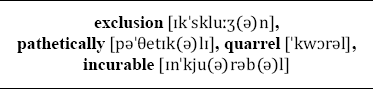
As soon as he got home Utterson sat down and wrote to Jekyll complaining of his exclusion from the house, and asking the cause of this unhappy break with Lanyon; and the next day brought him a long answer, often very pathetically worded, and sometimes darkly mysterious in drift. The quarrel with Lanyon was incurable. “I do not blame our old friend,” Jekyll wrote, “but I share his view that we must never meet. I mean from henceforth to lead a life of extreme seclusion; you must not be surprised, nor must you doubt my friendship, if my door is often shut even to you.