“The devil fly away with you and your woman with the knife (черт возьми вас и вашу женщину с ножом; devil – дьявол, черт; to fly – летать; нестись, мчаться; исчезать)! There isn’t a mark in the bedclothes anywhere (на постельном белье нигде нет ни одной дырки; mark – знак; след; шрам; порез; clothes – одежда, платье; /постельное/ белье; anywhere – где-нибудь; нигде). What do you mean by coming into a man’s place (что вы хотите сказать = на что это похоже: придти к человеку домой; to mean – намереваться, иметь в виду; подразумевать; означать; place – место; город; дом, жилище) and frightening his family out of their wits by a dream (и до смерти напугать его семью каким-то сном; to frighten – /на/пугать; wits – ум, разум)?”
A dream (сном)? The woman who had tried to stab me (женщина, которая пыталась заколоть меня), not a living human being like myself (/разве/ не живой человек, как я; living – живой; живущий; human being – человек; being – жизнь, существование; живое существо)? I began to shake and shiver (я начал дрожать и трястись). The horrors got hold of me at the bare thought of it (ужас овладел мной при одной лишь мысли об этом; to get hold of – схватывать /кого-л., что-л./; овладевать; hold – удерживание; захват; bare – голый, нагой; /усил./ один только, малейший).

“I dodged the knife as it came down. It struck the bed each time. Go in, and see.”
The landlord took his candle into the bedroom immediately. In less than a minute he came out again into the passage in a violent passion.
“The devil fly away with you and your woman with the knife! There isn’t a mark in the bedclothes anywhere. What do you mean by coming into a man’s place and frightening his family out of their wits by a dream?”
A dream? The woman who had tried to stab me, not a living human being like myself? I began to shake and shiver. The horrors got hold of me at the bare thought of it.
“I’ll leave the house (я покину ваш дом),” I said. “Better be out on the road in the rain and dark (лучше быть на дороге, под дождем и в темноте), than back in that room, after what I’ve seen in it (чем вернуться в ту комнату, после того, что я там увидел; I’ve = I have). Lend me the light to get my clothes by (одолжите мне свечу, чтобы собрать одежду; to lend – давать взаймы, на время), and tell me what I’m to pay (и скажите, сколько я должен заплатить).”
The landlord led the way back with his light into the bedroom (хозяин со свечой /в руке/ проводил меня назад в спальню; to lead the way – идти впереди; показывать дорогу; to lead – вести, быть проводником). “Pay?” says he (заплатить? – произнес он). “You’ll find your score on the slate when you go downstairs (вы найдете ваш счет на доске, когда спуститесь; to go downstairs – спускаться вниз по лестнице). I wouldn’t have taken you in for all the money you’ve got about you (я бы не впустил вас за все деньги, какие у вас есть; about – кругом, повсюду; рядом, около; при себе /о наличии чего-л./), if I had known your dreaming, screeching ways beforehand (если бы знал заранее о ваших привычках видеть сны и кричать; to screech – хрипло или визгливо кричать; way – путь; манера поведения; особенность; уклад, привычка; beforehand – заранее; заблаговременно: «перед рукой»). Look at the bed – where’s the cut of a knife in it (взгляните на постель – где на ней порез от ножа; cut – порез, разрез)? Look at the window – is the lock bursted (взгляните на окно – разве запор сломан; to burst – разрывать/ся/, взрывать/ся/; врываться; неожиданно сломать/ся/)? Look at the door (which I heard you fasten yourself) – is it broke in (посмотрите на дверь /я слышал, как вы ее сами запирали/ – разве она выломана; to break in – врываться; выламывать /дверь/)? A murdering woman with a knife in my house (женщина-убийца: «убивающая женщина» с ножом в моем доме)! You ought to be ashamed of yourself (вам должно быть стыдно за себя; ashamed – пристыженный; to shame – стыдить; пристыдить; shame – стыд; позор)!”
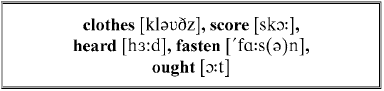
“I’ll leave the house,” I said. “Better be out on the road in the rain and dark, than back in that room, after what I’ve seen in it. Lend me the light to get my clothes by, and tell me what I’m to pay.”
The landlord led the way back with his light into the bedroom. “Pay?” says he. “You’ll find your score on the slate when you go downstairs. I wouldn’t have taken you in for all the money you’ve got about you, if I had known your dreaming, screeching ways beforehand. Look at the bed – where’s the cut of a knife in it? Look at the window – is the lock bursted? Look at the door (which I heard you fasten yourself) – is it broke in? A murdering woman with a knife in my house! You ought to be ashamed of yourself!”
My eyes followed his hand as it pointed first to the bed (мои глаза следовали за его рукой, когда он указывал сначала на кровать) – then to the window (потом на окно) – then to the door (потом на дверь). There was no gainsaying it (возразить на это было нечего; to gainsay – отрицать; возражать). The bed sheet was as sound as on the day it was made (простыня была так же цела, как в день, когда ее сделали; sheet – простыня; полотно, холст; лист /бумаги, металла, стекла/; sound – здоровый, крепкий; качественный, хороший). The window was fast (окно было крепко /заперто/; fast – прочный, крепкий). The door hung on its hinges as steady as ever (дверь висела на петлях так же крепко, как всегда; to hang – вешать; висеть). I huddled my clothes on without speaking (я второпях оделся, ничего не говоря; to huddle – сваливать в кучу; собирать вместе; набрасывать, напяливать одежду кое-как). We went downstairs together (мы вместе спустились). I looked at the clock in the bar-room (я взглянул на часы в пивной). The time was twenty minutes past two in the morning (времени было двадцать минут третьего: «после двух» утра). I paid my bill, and the landlord let me out (я оплатил счет, и хозяин выпустил меня). The rain had ceased (дождь перестал; to cease – прекращать/ся/, останавливать/ся/); but the night was dark (однако ночь была темна), and the wind was bleaker than ever (и ветер был холоднее, чем когда-либо; bleak – открытый, не защищенный от ветра; холодный, промозглый).

My eyes followed his hand as it pointed first to the bed – then to the window – then to the door. There was no gainsaying it. The bed sheet was as sound as on the day it was made. The window was fast. The door hung on its hinges as steady as ever. I huddled my clothes on without speaking. We went downstairs together. I looked at the clock in the bar-room. The time was twenty minutes past two in the morning. I paid my bill, and the landlord let me out. The rain had ceased; but the night was dark, and the wind was bleaker than ever.
Little did the darkness, or the cold, or the doubt about the way home matter to me (темнота, холод и сомнение относительно /верности/ дороги домой мало волновали меня; to matter – иметь значение). My mind was away from all these things (мой ум был далеко от всего этого). My mind was fixed on the vision in the bedroom (мои мысли были сосредоточены на видении в спальне). What had I seen trying to murder me (что я такое видел, что пыталось меня убить)? The creature of a dream (создание /из/ сна)? Or that other creature from the world beyond the grave, whom men call ghost (или то другое создание из потустороннего мира: «мира за могилой», которое люди называют привидением; beyond – вне, за пределами; grave – могила; смерть, гибель)? I could make nothing of it as I walked along in the night (я никак не мог разобраться в этом, идя в ночи; to make – делать; составлять /мнение/, понимать /что-л./; to make nothing of – совершенно не понять /кого-л., чего-л./, не разобраться /в ком-л., чем-л./); I had made nothing by it by midday (я ничего не решил и к полудню) – when I stood at last, after many times missing my road (когда наконец-то стоял, после того, как много раз сбивался с дороги; to miss – промахнуться; пропустить, пройти мимо), on the doorstep of home (на пороге дома).