Страницы автора на других языках и псевдонимы:
|
| |||||||||||||


Biography
he man who would become Louis L'Amour grew up in the fading days of the American frontier. He was born Louis Dearborn LaMoore on March 22, 1908, the last of seven children in the family of Dr. Louis Charles LaMoore and Emily Dearborn LaMoore. His home, for the first fifteen years of his life, was Jamestown, North Dakota, a medium sized farming community situated in the valley where Pipestem Creek flows into the James River. Doctor LaMoore was a large animal veterinarian who came to Dakota Territory in 1882. As times changed he also sold farm machinery, bossed harvesting crews, and held several positions in city and state government.
Though the land around Jamestown was mostly given to farming, Louis and his older brothers often met cowboys as they came through on the Northern Pacific Railroad, traveling to market with stockcars full of cattle or returning to their ranches in the western part of the North Dakota or Montana. For awhile Dr. L.C. LaMoore was a state Livestock Inspector, a post that required him to certify the health of all the cattle that came through the Jamestown area.
When Louis was very young his grandfather, Abraham Truman Dearborn, came to live in a little house just in back of the LaMoore's. He told Louis of the great battles in history and of his own experiences as a soldier in both the civil and Indian wars. Two of Louis' uncles had worked on ranches for many years, one as a manager and the other as an itinerate cowboy. It was in the company of men such as these that Louis was first exposed to the history and adventure of the American Frontier.
Louis at 12 years old.
Though the LaMoore household had a modest collection of books, it was at the nearby Alfred Dickey Free Library, where his eldest sister, Edna, was a librarian, that Louis spent many long hours exploring in depth subjects only touched on by the schools. He expanded his education by studying far afield of the local curriculum. In addition to the non-fiction study of history and the natural sciences, Louis was captivated by the fiction of Robert Louis Stevenson, Jack London, Edgar Rice Burroughs and others ... letting them carry him away to the south seas, the gold fields of the Yukon, the Spanish Main, the center of the earth and the dying red planet of Mars.
By the beginning of the 1920s Louis and his adopted brother John were the only children left in the LaMoore household. Edna, had moved away to pursue a career as a schoolteacher. His eldest brother, Parker, was on his way to becoming a successful newspaperman and political aid. Second brother, Yale, managed a grocery store where John and Louis occasionally worked. The twins, Clara and Clarice, had died while infants and his beloved sister Emmy Lou had succumbed to the 1918 epidemic of Spanish influenza.
My father,
Dr. L. C. La Moore
(He altered the spelling).
The members of the LaMoore family were intelligent, well read people and all of them had a hand in Louis' education. Emmy Lou had taught him how to read. His father taught him the ways and wiles of animals, a deep belief in hard work, and the fact that a man could always find a way to solve a problem. The basics of learning he got from his mother who had once trained as a schoolteacher, and from Edna who passed along her insights into libraries and research. Parker provided examples of a reporter's speed and simplicity of prose and the public relations savvy of a veteran political aid. Yale showed Louis a spirited love of life, a sharp judge of character, and a gift for improvisation. Louis' adopted brother John was a spunky street fighter from New York and an example of a natural survivor, quick of wit and sharp of tongue.
amestown, North Dakota had provided Louis with an idyllic childhood but hard times finally uprooted the family and set them on a course that would forever alter Louis' life. After a series of bank failures ruined the economy of the upper Midwest, Dr. LaMoore, his wife Emily, and their sons Louis and John took their fortunes on the road. They traveled across the country in an often-desperate seven-year odyssey. During this time Louis skinned cattle in west Texas, baled hay in the Pecos valley of New Mexico, worked in the mines of Arizona, California, and Nevada, and in the saw mills and lumber yards of Oregon and Washington.
Wood cut by me near
Kalamath Lake [Oregon].
It was in these various places and while working odd jobs that young Louis met the wide variety of characters that would later become the inspiration for his writing. In Oklahoma they were men like Bill Tilghman, once the marshal of Dodge City; Chris Madsen who had been a Deputy U.S. Marshall and a Sargent with the 5th cavalry; and Emmett Dalton of the notorious Dalton Gang. In New Mexico he met George Coe and Deluvina Maxwell who had both known Billy the Kid; Tom Pickett who'd had a thumb shot off in the Lincoln County War; Tom Threepersons who had been both a Northwest Mounted Policeman and a Texas Ranger; and Elfagio Baca, a famous New Mexico lawyer who had once engaged over eighty of Tom Slaughter's cowboys for 33 hours in one of the west's most famous gunfights. During his years in Arizona Louis met Jeff Milton, a Texas Ranger and Border Patrolman and Jim Roberts, the last survivor of the Tonto Basin War and later Marshall of Jerome. But perhaps most importantly, during the years he was traveling around the country, young Louis met hundreds of men and women who, though unknown historically, were equally important as examples of what the people of the nineteenth century were like.
In the years after leaving Jamestown Louis had a sporadic career as a professional boxer. Having been well taught by his father and older brothers, Louis made extra money from an occasional prizefight and, in the year just after his family left Jamestown, he often fought in the ring for the money to buy gas so that they could move on. On more than one occasion a run of luck allowed him to box full time. Over the years he spent time in dim gymnasiums in cities all across the west, first as a boxer, then as second and finally as a trainer, seeing the world of fighters, managers, gangsters and gamblers first hand. Louis ended his fighting career by coaching several successful Golden Gloves teams; the first few in Oklahoma, the last, an army team that went to the Tournament of Champions in Chicago. Louis freely drew from this experience for many of the boxing stories in the collections "Hills of Homicide", "Beyond the Great Snow Mountains" and "Off the Mangrove Coast".
The Steadfast, one of the
ships I went to sea on.
On his own, Louis hoboed across the country, hopping freight trains with men who had been riding the rails for half a century. He wrapped newspaper under his clothes to keep warm while sleeping in hobo jungles, grain bins and the gaps in piles of lumber. He spent three months "on the beach," in San Pedro, California and circled the globe as a merchant seaman, visiting England, Japan, China, Borneo, the Dutch East Indies, Arabia, Egypt, and Panama with the rough and ready crews of various steamships on which he served. In later years he wrote stories about these times, his own experiences and those of people he had known. Many of these stories are now published in the collection "Yondering" and there are two more in "Off the Mangrove Coast". Fiction based on Louis' travels in the Far East can be found in "West from Singapore," "Night over the Solomons," "Beyond the Great Snow Mountains," and "Off the Mangrove Coast."
For a more in depth look at this fascinating time in Louis life you may check out the section "Around the world with Louis L'Amour" in the Great Adventure website. Here, you will read detailed stories written in Louis own words, view photographs from this time, learn a little history and and discover how and why this became perhaps the most influential time in his life and the inspiration for his great adventure stories!
Click here to check out the section "Around the World with Louis L'Amour"
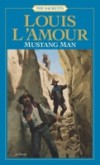
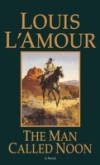
Traveling around the country and working in various remote locations gave Louis an intimate first-hand knowledge of the territory and landscape where the majority of his stories would be set. He spent time hiking around or traveling through what would later be the settings for Sackett (the San Juan Mountains of Colorado), Bendigo Shafter (the South Pass area of Wyoming), Shalako (the boot heel of New Mexico), Son of a Wanted Man (the Utah Canyon Lands), Taggart (central Arizona), Mojave Crossing (the California desert and Los Angeles), The Man Called Noon (central New Mexico and Southern Colorado), Passin Through (Southwest Colorado), Fallon (Northern Nevada), Mustang Man (Northeast New Mexico), North to the Rails (New Mexico, Texas and Kansas), and The Empty Land (Northern Utah).
amestown, North Dakota had provided Louis with an idyllic childhood but hard times finally uprooted the family and set them on a course that would forever alter Louis' life. After a series of bank failures ruined the economy of the upper Midwest, Dr. LaMoore, his wife Emily, and their sons Louis and John took their fortunes on the road. They traveled across the country in an often-desperate seven-year odyssey. During this time Louis skinned cattle in west Texas, baled hay in the Pecos valley of New Mexico, worked in the mines of Arizona, California, and Nevada, and in the saw mills and lumber yards of Oregon and Washington.
Wood cut by me near
Kalamath Lake [Oregon].
It was in these various places and while working odd jobs that young Louis met the wide variety of characters that would later become the inspiration for his writing. In Oklahoma they were men like Bill Tilghman, once the marshal of Dodge City; Chris Madsen who had been a Deputy U.S. Marshall and a Sargent with the 5th cavalry; and Emmett Dalton of the notorious Dalton Gang. In New Mexico he met George Coe and Deluvina Maxwell who had both known Billy the Kid; Tom Pickett who'd had a thumb shot off in the Lincoln County War; Tom Threepersons who had been both a Northwest Mounted Policeman and a Texas Ranger; and Elfagio Baca, a famous New Mexico lawyer who had once engaged over eighty of Tom Slaughter's cowboys for 33 hours in one of the west's most famous gunfights. During his years in Arizona Louis met Jeff Milton, a Texas Ranger and Border Patrolman and Jim Roberts, the last survivor of the Tonto Basin War and later Marshall of Jerome. But perhaps most importantly, during the years he was traveling around the country, young Louis met hundreds of men and women who, though unknown historically, were equally important as examples of what the people of the nineteenth century were like.
In the years after leaving Jamestown Louis had a sporadic career as a professional boxer. Having been well taught by his father and older brothers, Louis made extra money from an occasional prizefight and, in the year just after his family left Jamestown, he often fought in the ring for the money to buy gas so that they could move on. On more than one occasion a run of luck allowed him to box full time. Over the years he spent time in dim gymnasiums in cities all across the west, first as a boxer, then as second and finally as a trainer, seeing the world of fighters, managers, gangsters and gamblers first hand. Louis ended his fighting career by coaching several successful Golden Gloves teams; the first few in Oklahoma, the last, an army team that went to the Tournament of Champions in Chicago. Louis freely drew from this experience for many of the boxing stories in the collections "Hills of Homicide", "Beyond the Great Snow Mountains" and "Off the Mangrove Coast".
The Steadfast, one of the
ships I went to sea on.
On his own, Louis hoboed across the country, hopping freight trains with men who had been riding the rails for half a century. He wrapped newspaper under his clothes to keep warm while sleeping in hobo jungles, grain bins and the gaps in piles of lumber. He spent three months "on the beach," in San Pedro, California and circled the globe as a merchant seaman, visiting England, Japan, China, Borneo, the Dutch East Indies, Arabia, Egypt, and Panama with the rough and ready crews of various steamships on which he served. In later years he wrote stories about these times, his own experiences and those of people he had known. Many of these stories are now published in the collection "Yondering" and there are two more in "Off the Mangrove Coast". Fiction based on Louis' travels in the Far East can be found in "West from Singapore," "Night over the Solomons," "Beyond the Great Snow Mountains," and "Off the Mangrove Coast."
For a more in depth look at this fascinating time in Louis life you may check out the section "Around the world with Louis L'Amour" in the Great Adventure website. Here, you will read detailed stories written in Louis own words, view photographs from this time, learn a little history and and discover how and why this became perhaps the most influential time in his life and the inspiration for his great adventure stories!
Click here to check out the section "Around the World with Louis L'Amour"
Traveling around the country and working in various remote locations gave Louis an intimate first-hand knowledge of the territory and landscape where the majority of his stories would be set. He spent time hiking around or traveling through what would later be the settings for Sackett (the San Juan Mountains of Colorado), Bendigo Shafter (the South Pass area of Wyoming), Shalako (the boot heel of New Mexico), Son of a Wanted Man (the Utah Canyon Lands), Taggart (central Arizona), Mojave Crossing (the California desert and Los Angeles), The Man Called Noon (central New Mexico and Southern Colorado), Passin Through (Southwest Colorado), Fallon (Northern Nevada), Mustang Man (Northeast New Mexico), North to the Rails (New Mexico, Texas and Kansas), and The Empty Land (Northern Utah).
February 1945, Germany
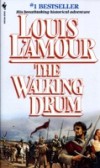
ouis was inducted into the US army late in the summer of 1942. After boot camp he went to Officer's Candidate School and then Tank Destroyer School. By the time he was eligible to join a TD outfit he was ordered to change assignments because with his 35th birthday just over six months away he would be too old to join a combat unit. He joined the Transportation Corps and was sent to England and then on to Europe with a trucking company. As a second Lt. he commanded a platoon of gas tankers that supplied planes and tanks all through the fighting in France and Germany. Before he returned home he was promoted to 1st Lt. and was briefly a company commander. While in Europe he gathered the background that he later used in his stories about that area. He visited many of the locations that appear in Meeting in Falmouth (collected in Beyond the Great Snow Mountains), The Walking Drum, Sackett's Land, and To the Far Blue Mountains. He met the people who were models for the characters in A Friend of the General (collected in Yondering), Reilly's Luck, Kiowa Trail and The Cross and the Candle (collected in Off the Mangrove Coast).
After his discharge Louis returned to the U.S. only to find that the market for his Adventure stories had nearly disappeared. Now editors were asking for Mysteries and Westerns. Because of Louis' background, an old friend in the publishing business pushed him in the direction of Westerns. Following his friend's advice, Louis L'Amour moved to Los Angeles, a city he knew well from his sea-faring and boxing days, settled into a small room in the back of another family's large apartment and began to write. For the first couple of years he sat on the bed and worked with his typewriter sitting on a folding chair. Compared to his Oklahoma days his output was enormous. In one year he sold almost a story a week and wrote even more than that. The pulps had never paid very well and that situation had not changed much. Louis' average take on a short story was less than $100.
At the typwriter,
Los Angeles apartment, 1953.
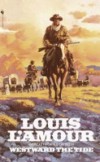
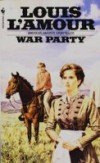
By the early 1950s, pressured by radio, TV, and the paperback book, the pulp magazines, which had published a majority of the fiction in the United States, began to go out of business. Many writers, Louis included, found it harder and harder to sell their stories. Like others Louis tried many different markets. He sold "Westward the Tide" to a British publisher. Four Hopalong Cassidy novels went to a short lived magazine based on Clarence Mulhford's character, and "The Gift of Cochise," "Get out of Town," "Booty for a Badman," "The Burning Hills," and "War Party," to what were called the "slick" magazines like Colliers and The Saturday Evening Post.
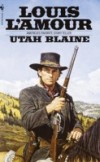
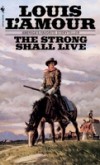
Louis had already sold several novels (Westward the Tide, his four Hopalong Cassidy stories, Crossfire Trail, Utah Blaine, and Silver Canyon) to paperback publishers when Hondo, a film made from his short story Gift of Cochise (collected in War Party) hit the silver screen. Also prior to the release of Hondo, he had sold several other projects for movies and TV. In 1951 a couple of episodes of Cowboy G-Men were made from his treatments and he sold a series pilot called One Night Stand (collected in The Strong Shall Live) to Bing Crosby. He also sold a story to Fireside Theater and the treatment for the feature East of Sumatra to Universal International. But it was the success of Hondo that gave Louis' career a much-needed boost.
Louis and Kathy L'Amour, near the location
where Heller with a Gun was being filmed
as Heller in Pink Tights. (c. 1959-60)
n 1956 Louis L'Amour married Katherine Elizabeth Adams, an aspiring actress. The daughter of a resort developer and silent movie star, Kathy had grown up in the deserts and mountains of Southern California where her father had once owned vast tracts of land. Together they traveled all over the west searching out locations and doing research for Louis' books. In 1961 their son Beau was born and in 1964 they had a daughter, Angelique.
The 1960s were a productive time for Louis. He developed his famous Sackett family series, traveled extensively to promote books and movies, and, for the first time in his life, bought a house. He was often invited to speak at public forums and held book signings for large crowds all across the country. And he finally settled down to work with a single publisher, Bantam Books.
After six years (1953 -1959) of going back and forth between Fawcett/Gold Medal, Ace and Bantam, Louis was looking to find a publisher who would bring out more than two of his books per year. His editor at Gold Medal lobbied to let him write more but management refused even though he was placing books with competing publishers. L’Amour had sold 14 novels, 9 motion pictures, and several million paperback copies before Bantam Editor in Chief Saul David was finally able to convince his company to offer Louis an exclusive contract that would expand to three books a year. It was only after 1960, however, that Louis’s sales at Bantam began to surpass his sales at Gold Medal.
The 1970s were years of financial success, despite this, however, Louis later signed a thirty book contract with Bantam to keep himself motivated and on a deadline. Louis expanded the Sackett family series to include the family's beginnings on the American continent and also began the process of weaving in tales of the Chantry and Talon clans too. The vision of a large matrix of fiction interwoven with the history of the United States and Canada began to appear in his work. Plans, many that did not come to fruition for another ten years, for writing historical fiction (like The Walking Drum, a story written in the 1960s but not sold until the mid '80s.) and even science or fantasy fiction (The Haunted Mesa) were carefully made. By 1973 his new found wealth allowed Louis to move into a better neighborhood in West Los Angeles. Louis felt independent and secure for the first time in his adult life. He was sixty-five years old.
Even before the height of his success in the 1980s, jealousy caused some controversy among other writers of westerns. A rumor was circulated that somehow Louis was a creation of his publisher, Bantam Books, and that they told him what to write and then gave him preferential treatment over other writers when it came to money and advertising. In truth, Louis wrote in a manner that was very much like stream of consciousness and it was nearly impossible for him to plan what was going to happen in one of his books let alone take direction from someone else. On several occasions, when financial pressures seemed overwhelming, Louis took jobs writing for various movie studios. In most cases he opted to return the money, no matter the financial hardship he was in, rather than struggle to write at the direction of someone else. He simply couldn’t do it.
Even in the early 1970s, Bantam Books was still lagging in the area of public relations, it took a publicity trip to England and the exemplary efforts of L’Amour’s British publisher Corgi, to focus their attention on what could be done. For the most part the publicity effort that defined Louis’s career until the mid ‘70s was the work he did on his own, learned through hard experience promoting both boxers and his own book of poetry in the 1930s. Publishers then, as now, spent next to nothing unless they absolutely had to.
The hard feelings seem to have culminated with the story that Bantam required independent distributors to buy titles in lots of 10,000 copies if they wanted access to other Bantam titles at wholesale prices, and that they kept all of L’Amour’s books in print at all times . . . thus forcing other authors off the racks in the Western sections of bookstores.
“There were occasionally additional price incentives offered to distributors who sold certain amounts of the entire Bantam catalogue,” George Fisher, who worked at Ludington News in Detroit, the number two independent distributor in the country, remembers. “But selling Louis was often the way that a distributor could meet their quotas, because he was so popular. Louis wasn’t a problem for us, he was a solution.”
The problem seemed to be one of jealousy and misinterpretation, writers with fewer titles and less popular books could get squeezed where shelf space was limited. But no publisher could afford to keep books in print that weren’t selling, the book stores would simply return them for a refund. Whatever the effect, Louis L’Amour was not the beneficiary of any sort of special, and exclusive, distribution policy.
Theodore Roosevelt Rough
Rider Award presented to
Louis L'Amour May 26, 1972
n addition to pleasing millions of fans, Louis won the Western Writers of America's Golden Spur Award for "Down the Long Hills", North Dakota's Theodore Roosevelt Rough Rider Award, his novels "Hondo" and "Flint" are voted places in the 25 best Western Novels of all time. Five years after out selling John Steinbeck's total of 41,300,000 copies (a Bantam record) Louis L'Amour sold his one hundred millionth book and had won the Western Writer's of America's Golden Saddleman Award. In 1983 U.S. Congress voted him the National Gold Medal, and a year later the Medal of Freedom. Louis' books have been translated into over fifteen foreign languages and are sold in English in almost a dozen countries.
The Strater Hotel, since 1887
Durango, Colorado
Louis loved to collect books and finally he had both the space and the money to do so. His private library grew from some 3,000 to nearly 10,000 books and half again as many journals and periodicals.True to his athletic past he would spend an hour or two every day lifting weights, skipping rope and punching a heavy bag, first in a paved area of his small back yard in Hollywood, later, in the garage that he had converted into a gymnasium. Starting in 1966 he would take his family to spend the summer in Durango, CO, a place he had visited briefly with a mining buddy in the in the late 1920s. For over ten years they spent the month of August at the Strater Hotel, Louis dividing his time between writing in a corner room over the Diamond Belle Saloon and hiking in the La Plata or San Juan Mountains. In later years he participated in the Presidential Committee on Space, a Ute/Commanche peace treaty, and was on the National Board of the Library of Congress' Center for the Book.
The summer of 1987 Louis caught pneumonia. In a few weeks he threw it off and was seemingly healthy until late fall, when he caught it again. The first round of tests showed nothing but ultimately a needle biopsy caught malignant cancer cells. Going back through the x-rays, doctors discovered a thin veil of cancerous material running throughout his lungs. Because the cancer was not localized in any one spot, surgery was not possible. He began his long postponed memoir, Education of a Wandering Man. As the disease progressed Louis moved his work from his office to a desk in an upstairs bedroom and ultimately into the master bedroom. He was editing the book the afternoon that he died. A few days before he passed away Louis was notified that sales of his books had topped two hundred million.
Since his death in June of 1988 Bantam Books has continued to release the work of Louis L'Amour. Smoke from this Altar, his 1939 book of poetry, and a revised version of Yondering, were released in the same year. Since then there have been re-releases of the four Hopalong Cassidy novels, and many books of his short stories, some containing material never before published. In the years since his death in 1988 over one hundred and twenty million copies of his books have been sold. None of Louis L’Amour’s Bantam titles have ever been out of print.
hough he left school in the 10th grade Louis had a thirst for knowledge. Throughout his life Louis haunted libraries and bookstores across the country and all over the world. Often he went without meals in order to afford to buy books. He sometimes worked long and hard so that he could quit working temporarily and afford to study full time. Louis liked to brag that from 1928 until 1942 he read more than 150 non-fiction books a year and that in order to do it he worked miserable jobs and lived in skid row hotels and campgrounds.
Choctaw, Oklahoma. Oak and
myself shortly after we arrived
from Oregon.
After several years in the Pacific Northwest, Louis' parents moved to a little farm that their eldest son, Parker, had purchased in Oklahoma. John had left Oregon a year before and had not been heard from since and so it was just the three of them who traveled across Idaho, Wyoming, Nebraska and Kansas to settle on the acreage outside Choctaw. They had a house, animals, occasional crops, and their lives returned to normal. They lived in a community in which they were not viewed as vagabonds . . . slowly the LaMoore family began to put down roots.
Louis always wanted to be a writer but in his early days he thought that his writing would take the form of poetry. For years he struggled to learn this craft without much guidance except his own intellect. Eventually, he broke out into a number of little magazines and began placing poems regularly. The name Louis L'Amour was seen in public for the first time. Poetry, however, didn't pay very well . . . in fact it didn't pay at all. He tried writing short stories that drew on his life experience, sending them to collage journals or literary magazines. This was not the answer to earning a living as a writer either. Finally, he sold a short story called "Anything for a Pal" to a pulp magazine called True Gang Life. He made less than eight dollars but he took it as a sign and committed his attention to writing for the pulps. The hoped for breakthrough took almost two years to come.
In 1937 he sold a short story called "Gloves for a Tiger" to Thrilling Adventures Magazine and, this time, other sales followed quickly. Although he wrote in several genres, including a rare western or two, Louis' most financially successful stories were the adventure tales he wrote about the captain of a tramp freighter and his crew. Ponga Jim Mayo, Louis' fictional character, was a merchant captain whose tendency to find trouble had drawn the attention of a British Intelligence officer. Together, Mayo and Major Arnold kept agents of the Axis powers off balance in the years leading up to WWII. Ultimately, Louis did place some material with literary magazines "The Admiral" (collected in Yondering) was published in Story, one of the most prestigious periodicals of it's day; "It's Your Move" (collected in Off the Mangrove Coast), "Survival," and "Glorious! Glorious!" (collected in Yondering) were published in Tanager; and "Dead End Drift" and "Old Doc Yak" (also in Yondering) were published in the New Mexico Quarterly. His poetry, originally seen in many anthologies and magazines, was self-published in a collection called, Smoke from this Altar.
| Название книги | Оценка | Cтатус | Дата добавления | Жанр | Стр./Год/Язык | Серия | |||
|---|---|---|---|---|---|---|---|---|---|
| 0 (0) | 31.03.2010, 01:10 | 1269994235 | Иностранная литература | 0/-/EN | 1269994235 | ||||
| 0 (0) | 31.03.2010, 01:10 | 1269994234 | Иностранная литература | 0/-/EN | 1269994234 | ||||
| 0 (0) | 31.03.2010, 01:10 | 1269994234 | Иностранная литература | 0/-/EN | 1269994234 | ||||
| 0 (0) | 27.03.2010, 04:57 | 1269665833 | Иностранная литература | 0/-/EN | 1269665833 | ||||
| 0 (0) | 27.03.2010, 04:56 | 1269665816 | Иностранная литература | 0/-/EN | 1269665816 | ||||
| 0 (0) | 27.03.2010, 04:56 | 1269665800 | Иностранная литература | 0/-/EN | 1269665800 | ||||
| 0 (0) | 27.03.2010, 04:56 | 1269665764 | Иностранная литература | 0/-/EN | 1269665764 | ||||
| 0 (0) | 27.03.2010, 04:55 | 1269665722 | Иностранная литература | 0/-/EN | 1269665722 | ||||
| 0 (0) | 27.03.2010, 04:54 | 1269665670 | Иностранная литература | 0/-/EN | 1269665670 | ||||
| 0 (0) | 27.03.2010, 04:54 | 1269665659 | Иностранная литература | 0/-/EN | 1269665659 | ||||
| 0 (0) | 27.03.2010, 04:54 | 1269665659 | Иностранная литература | 0/-/EN | 1269665659 | ||||
| 0 (0) | 27.03.2010, 04:54 | 1269665659 | Иностранная литература | 0/-/EN | 1269665659 | ||||
| 0 (0) | 27.03.2010, 04:54 | 1269665658 | Иностранная литература | 0/-/EN | 1269665658 | ||||
| 0 (0) | 27.03.2010, 04:54 | 1269665658 | Иностранная литература | 0/-/EN | 1269665658 | ||||
| 0 (0) | 27.03.2010, 04:54 | 1269665658 | Иностранная литература | 0/-/EN | 1269665658 | ||||
| 0 (0) | 27.03.2010, 04:54 | 1269665657 | Иностранная литература | 0/-/EN | 1269665657 | ||||
| 0 (0) | 27.03.2010, 04:54 | 1269665657 | Иностранная литература | 0/-/EN | 1269665657 | ||||
| 0 (0) | 27.03.2010, 04:54 | 1269665657 | Иностранная литература | 0/-/EN | 1269665657 | ||||
| 0 (0) | 27.03.2010, 04:54 | 1269665656 | Иностранная литература | 0/-/EN | 1269665656 | ||||
| 0 (0) | 27.03.2010, 04:54 | 1269665656 | Иностранная литература | 0/-/EN | 1269665656 | ||||
| 0 (0) | 27.03.2010, 04:54 | 1269665656 | Иностранная литература | 0/-/EN | 1269665656 | ||||
| 0 (0) | 27.03.2010, 04:54 | 1269665655 | Иностранная литература | 0/-/EN | 1269665655 | ||||
| 0 (0) | 27.03.2010, 04:54 | 1269665655 | Иностранная литература | 0/-/EN | 1269665655 | ||||
| 0 (0) | 27.03.2010, 04:54 | 1269665655 | Иностранная литература | 0/-/EN | 1269665655 | ||||
| 0 (0) | 27.03.2010, 04:54 | 1269665655 | Иностранная литература | 0/-/EN | 1269665655 | ||||
| 0 (0) | 27.03.2010, 04:54 | 1269665654 | Иностранная литература | 0/-/EN | 1269665654 | ||||
| 0 (0) | 27.03.2010, 04:54 | 1269665654 | Иностранная литература | 0/-/EN | 1269665654 | ||||
| 0 (0) | 27.03.2010, 04:54 | 1269665654 | Иностранная литература | 0/-/EN | 1269665654 | ||||
| 0 (0) | 27.03.2010, 04:54 | 1269665653 | Иностранная литература | 0/-/EN | 1269665653 | ||||
| 0 (0) | 27.03.2010, 04:54 | 1269665653 | Иностранная литература | 0/-/EN | 1269665653 | ||||
| 0 (0) | 27.03.2010, 04:54 | 1269665653 | Иностранная литература | 0/-/EN | 1269665653 | ||||
| 0 (0) | 27.03.2010, 04:54 | 1269665652 | Иностранная литература | 0/-/EN | 1269665652 | ||||
| 0 (0) | 27.03.2010, 04:54 | 1269665652 | Иностранная литература | 0/-/EN | 1269665652 | ||||
| 0 (0) | 27.03.2010, 04:54 | 1269665651 | Иностранная литература | 0/-/EN | 1269665651 | ||||
| 0 (0) | 27.03.2010, 04:54 | 1269665651 | Иностранная литература | 0/-/EN | 1269665651 | ||||
| 0 (0) | 27.03.2010, 04:54 | 1269665651 | Иностранная литература | 0/-/EN | 1269665651 | ||||
| 0 (0) | 27.03.2010, 04:54 | 1269665651 | Иностранная литература | 0/-/EN | 1269665651 | ||||
| 0 (0) | 27.03.2010, 04:54 | 1269665650 | Иностранная литература | 0/-/EN | 1269665650 | ||||
| 0 (0) | 27.03.2010, 04:54 | 1269665650 | Иностранная литература | 0/-/EN | 1269665650 | ||||
| 0 (0) | 27.03.2010, 04:54 | 1269665650 | Иностранная литература | 0/-/EN | 1269665650 | ||||
| 0 (0) | 27.03.2010, 04:54 | 1269665649 | Иностранная литература | 0/-/EN | 1269665649 | ||||
| 0 (0) | 27.03.2010, 04:54 | 1269665649 | Иностранная литература | 0/-/EN | 1269665649 | ||||
| 0 (0) | 27.03.2010, 04:54 | 1269665649 | Иностранная литература | 0/-/EN | 1269665649 | ||||
| 0 (0) | 27.03.2010, 04:54 | 1269665649 | Иностранная литература | 0/-/EN | 1269665649 | ||||
| 0 (0) | 27.03.2010, 04:54 | 1269665648 | Иностранная литература | 0/-/EN | 1269665648 | ||||
| 0 (0) | 27.03.2010, 04:54 | 1269665648 | Иностранная литература | 0/-/EN | 1269665648 | ||||
| 0 (0) | 27.03.2010, 04:54 | 1269665647 | Иностранная литература | 0/-/EN | 1269665647 | ||||
| 0 (0) | 27.03.2010, 04:54 | 1269665647 | Иностранная литература | 0/-/EN | 1269665647 | ||||
| 0 (0) | 27.03.2010, 04:54 | 1269665647 | Иностранная литература | 0/-/EN | 1269665647 | ||||
| 0 (0) | 27.03.2010, 04:54 | 1269665647 | Иностранная литература | 0/-/EN | 1269665647 | ||||
| 0 (0) | 27.03.2010, 04:54 | 1269665646 | Иностранная литература | 0/-/EN | 1269665646 | ||||
| 0 (0) | 27.03.2010, 04:54 | 1269665646 | Иностранная литература | 0/-/EN | 1269665646 | ||||
| 0 (0) | 27.03.2010, 04:54 | 1269665646 | Иностранная литература | 0/-/EN | 1269665646 | ||||
| 0 (0) | 27.03.2010, 04:54 | 1269665646 | Иностранная литература | 0/-/EN | 1269665646 | ||||
| 0 (0) | 27.03.2010, 04:54 | 1269665645 | Иностранная литература | 0/-/EN | 1269665645 | ||||
| 0 (0) | 27.03.2010, 04:54 | 1269665645 | Иностранная литература | 0/-/EN | 1269665645 | ||||
| 0 (0) | 27.03.2010, 04:54 | 1269665645 | Иностранная литература | 0/-/EN | 1269665645 | ||||
| 0 (0) | 27.03.2010, 04:54 | 1269665644 | Иностранная литература | 0/-/EN | 1269665644 | ||||
| 0 (0) | 27.03.2010, 04:54 | 1269665644 | Иностранная литература | 0/-/EN | 1269665644 | ||||
| 0 (0) | 27.03.2010, 04:54 | 1269665644 | Иностранная литература | 0/-/EN | 1269665644 | ||||
| 0 (0) | 27.03.2010, 04:54 | 1269665644 | Иностранная литература | 0/-/EN | 1269665644 | ||||
| 0 (0) | 27.03.2010, 04:54 | 1269665643 | Иностранная литература | 0/-/EN | 1269665643 | ||||
| 0 (0) | 27.03.2010, 04:54 | 1269665643 | Иностранная литература | 0/-/EN | 1269665643 | ||||
| 0 (0) | 27.03.2010, 04:54 | 1269665643 | Иностранная литература | 0/-/EN | 1269665643 | ||||
| 0 (0) | 27.03.2010, 04:54 | 1269665642 | Иностранная литература | 0/-/EN | 1269665642 | ||||
| 0 (0) | 27.03.2010, 04:54 | 1269665642 | Иностранная литература | 0/-/EN | 1269665642 | ||||
| 0 (0) | 27.03.2010, 04:54 | 1269665642 | Иностранная литература | 0/-/EN | 1269665642 | ||||
| 0 (0) | 27.03.2010, 04:54 | 1269665641 | Иностранная литература | 0/-/EN | 1269665641 | ||||
| 0 (0) | 27.03.2010, 04:54 | 1269665641 | Иностранная литература | 0/-/EN | 1269665641 | ||||
| 0 (0) | 27.03.2010, 04:54 | 1269665641 | Иностранная литература | 0/-/EN | 1269665641 | ||||
| 0 (0) | 27.03.2010, 04:54 | 1269665640 | Иностранная литература | 0/-/EN | 1269665640 | ||||
| 0 (0) | 27.03.2010, 04:54 | 1269665640 | Иностранная литература | 0/-/EN | 1269665640 | ||||
| 0 (0) | 27.03.2010, 04:54 | 1269665640 | Иностранная литература | 0/-/EN | 1269665640 | ||||
| 0 (0) | 27.03.2010, 04:54 | 1269665640 | Иностранная литература | 0/-/EN | 1269665640 | ||||
| 0 (0) | 27.03.2010, 04:53 | 1269665639 | Иностранная литература | 0/-/EN | 1269665639 | ||||
| 0 (0) | 27.03.2010, 04:53 | 1269665639 | Иностранная литература | 0/-/EN | 1269665639 | ||||
| 0 (0) | 27.03.2010, 04:53 | 1269665639 | Иностранная литература | 0/-/EN | 1269665639 | ||||
| 0 (0) | 27.03.2010, 04:53 | 1269665638 | Иностранная литература | 0/-/EN | 1269665638 | ||||
| 0 (0) | 27.03.2010, 04:53 | 1269665638 | Иностранная литература | 0/-/EN | 1269665638 | ||||
| 0 (0) | 27.03.2010, 04:53 | 1269665638 | Иностранная литература | 0/-/EN | 1269665638 | ||||
| 0 (0) | 27.03.2010, 04:53 | 1269665637 | Иностранная литература | 0/-/EN | 1269665637 | ||||
| 0 (0) | 27.03.2010, 04:53 | 1269665637 | Иностранная литература | 0/-/EN | 1269665637 | ||||
| 0 (0) | 27.03.2010, 04:53 | 1269665637 | Иностранная литература | 0/-/EN | 1269665637 | ||||
| 0 (0) | 27.03.2010, 04:53 | 1269665636 | Иностранная литература | 0/-/EN | 1269665636 | ||||
| 0 (0) | 27.03.2010, 04:53 | 1269665636 | Иностранная литература | 0/-/EN | 1269665636 | ||||
| 0 (0) | 27.03.2010, 04:53 | 1269665636 | Иностранная литература | 0/-/EN | 1269665636 | ||||
| 0 (0) | 27.03.2010, 04:53 | 1269665635 | Иностранная литература | 0/-/EN | 1269665635 | ||||
| 0 (0) | 27.03.2010, 04:53 | 1269665635 | Иностранная литература | 0/-/EN | 1269665635 | ||||
| 0 (0) | 27.03.2010, 04:53 | 1269665635 | Иностранная литература | 0/-/EN | 1269665635 | ||||
| 0 (0) | 27.03.2010, 04:53 | 1269665634 | Иностранная литература | 0/-/EN | 1269665634 | ||||
| 0 (0) | 27.03.2010, 04:53 | 1269665634 | Иностранная литература | 0/-/EN | 1269665634 | ||||
| 0 (0) | 27.03.2010, 04:53 | 1269665634 | Иностранная литература | 0/-/EN | 1269665634 | ||||
| 0 (0) | 27.03.2010, 04:53 | 1269665633 | Иностранная литература | 0/-/EN | 1269665633 | ||||
| 0 (0) | 27.03.2010, 04:53 | 1269665633 | Иностранная литература | 0/-/EN | 1269665633 | ||||
| 0 (0) | 27.03.2010, 04:53 | 1269665633 | Иностранная литература | 0/-/EN | 1269665633 | ||||
| 0 (0) | 27.03.2010, 04:53 | 1269665632 | Иностранная литература | 0/-/EN | 1269665632 | ||||
| 0 (0) | 27.03.2010, 04:53 | 1269665632 | Иностранная литература | 0/-/EN | 1269665632 | ||||
| 0 (0) | 27.03.2010, 04:53 | 1269665632 | Иностранная литература | 0/-/EN | 1269665632 | ||||
| 0 (0) | 27.03.2010, 04:53 | 1269665631 | Иностранная литература | 0/-/EN | 1269665631 | ||||
| 0 (0) | 27.03.2010, 04:53 | 1269665631 | Иностранная литература | 0/-/EN | 1269665631 | ||||
| 0 (0) | 27.03.2010, 04:53 | 1269665631 | Иностранная литература | 0/-/EN | 1269665631 | ||||
| 0 (0) | 27.03.2010, 04:53 | 1269665631 | Иностранная литература | 0/-/EN | 1269665631 | ||||
| 0 (0) | 27.03.2010, 04:53 | 1269665630 | Иностранная литература | 0/-/EN | 1269665630 | ||||
| 0 (0) | 27.03.2010, 04:53 | 1269665630 | Иностранная литература | 0/-/EN | 1269665630 | ||||
| 0 (0) | 27.03.2010, 04:53 | 1269665630 | Иностранная литература | 0/-/EN | 1269665630 | ||||
| 0 (0) | 27.03.2010, 04:53 | 1269665630 | Иностранная литература | 0/-/EN | 1269665630 | ||||
| 0 (0) | 27.03.2010, 04:53 | 1269665629 | Иностранная литература | 0/-/EN | 1269665629 | ||||
| 0 (0) | 27.03.2010, 04:53 | 1269665629 | Иностранная литература | 0/-/EN | 1269665629 | ||||
| 0 (0) | 27.03.2010, 04:53 | 1269665629 | Иностранная литература | 0/-/EN | 1269665629 | ||||
| 0 (0) | 27.03.2010, 04:53 | 1269665628 | Иностранная литература | 0/-/EN | 1269665628 | ||||
| 0 (0) | 27.03.2010, 04:53 | 1269665628 | Иностранная литература | 0/-/EN | 1269665628 | ||||
| 0 (0) | 27.03.2010, 04:53 | 1269665628 | Иностранная литература | 0/-/EN | 1269665628 | ||||
| 0 (0) | 27.03.2010, 04:53 | 1269665628 | Иностранная литература | 0/-/EN | 1269665628 | ||||
| 0 (0) | 27.03.2010, 04:53 | 1269665627 | Иностранная литература | 0/-/EN | 1269665627 | ||||
| 0 (0) | 27.03.2010, 04:53 | 1269665627 | Иностранная литература | 0/-/EN | 1269665627 | ||||
| 0 (0) | 27.03.2010, 04:53 | 1269665627 | Иностранная литература | 0/-/EN | 1269665627 | ||||
| 0 (0) | 27.03.2010, 04:53 | 1269665626 | Иностранная литература | 0/-/EN | 1269665626 | ||||
| 0 (0) | 27.03.2010, 04:53 | 1269665626 | Иностранная литература | 0/-/EN | 1269665626 | ||||
| 0 (0) | 27.03.2010, 04:53 | 1269665626 | Иностранная литература | 0/-/EN | 1269665626 | ||||
| 0 (0) | 27.03.2010, 04:53 | 1269665626 | Иностранная литература | 0/-/EN | 1269665626 | ||||
| 0 (0) | 27.03.2010, 04:53 | 1269665623 | Иностранная литература | 0/-/EN | 1269665623 | ||||
| 0 (0) | 27.03.2010, 04:53 | 1269665620 | Иностранная литература | 0/-/EN | 1269665620 | ||||
| 0 (0) | 27.03.2010, 04:53 | 1269665619 | Иностранная литература | 0/-/EN | 1269665619 | ||||
| 0 (0) | 27.03.2010, 04:53 | 1269665617 | Иностранная литература | 0/-/EN | 1269665617 | ||||
| 0 (0) | 27.03.2010, 04:53 | 1269665614 | Иностранная литература | 0/-/EN | 1269665614 | ||||
| 0 (0) | 27.03.2010, 04:53 | 1269665612 | Иностранная литература | 0/-/EN | 1269665612 | ||||
| 0 (0) | 27.03.2010, 02:33 | 1269657183 | Иностранная литература | 0/-/EN | 1269657183 | ||||
| 0 (0) | 27.03.2010, 02:33 | 1269657183 | Иностранная литература | 0/-/EN | 1269657183 | ||||
| 0 (0) | 27.03.2010, 02:27 | 1269656840 | Иностранная литература | 0/-/EN | 1269656840 | ||||
| 0 (0) | 27.03.2010, 02:27 | 1269656840 | Иностранная литература | 0/-/EN | 1269656840 | ||||
| 0 (0) | 27.03.2010, 02:03 | 1269655426 | Иностранная литература | 0/-/EN | 1269655426 | ||||
| 0 (0) | 27.03.2010, 02:03 | 1269655397 | Иностранная литература | 0/-/EN | 1269655397 | ||||
| 0 (0) | 27.03.2010, 02:02 | 1269655378 | Иностранная литература | 0/-/EN | 1269655378 | ||||
| 0 (0) | 27.03.2010, 02:02 | 1269655336 | Иностранная литература | 0/-/EN | 1269655336 | ||||
| 0 (0) | 27.03.2010, 02:01 | 1269655309 | Иностранная литература | 0/-/EN | 1269655309 | ||||
| 0 (0) | 27.03.2010, 02:01 | 1269655274 | Иностранная литература | 0/-/EN | 1269655274 | ||||
| 0 (0) | 27.03.2010, 01:52 | 1269654737 | Иностранная литература | 0/-/EN | 1269654737 | ||||
| 0 (0) | 27.03.2010, 01:51 | 1269654711 | Иностранная литература | 0/-/EN | 1269654711 |